Summer may still be in full swing across Ontario, but for businesses that rely on vehicles, heavy equipment and fuel-powered machinery, fall planning shouldn’t wait for the first cool morning.
The transition into fall can bring changes in workloads, operating schedules, and fuel consumption. Construction projects may enter an important stage before winter, transportation fleets can face changing routes and schedules, and agricultural operations may be heading into one of their busiest periods of the year.
For fleet managers and equipment operators, that makes late summer a useful time to take a closer look at fuel management.
The question isn’t simply “Do we have enough fuel?” It’s whether your business has the right supply, storage, delivery schedule, and refuelling strategy to keep vehicles and equipment working efficiently as demand changes.
Why Fall Can Change Your Business’s Fuel Needs
Fuel consumption rarely stays perfectly consistent throughout the year.
A construction company may have more equipment operating on a site as a project approaches a deadline. A transportation business may adjust routes or increase vehicle usage. Agricultural operations can experience significant seasonal changes in equipment activity.
Even businesses with relatively predictable operations can see their fuel requirements change as projects, staffing, and schedules evolve. That means the fuel plan that worked during the summer may not necessarily be the right one for September, October, and beyond.
A late-summer review gives businesses time to identify those changes before they become a problem.
Start by Looking at Your Actual Fuel Consumption
One of the simplest places to begin is with your recent fuel usage.
Look at how much diesel, gasoline, or propane your fleet and equipment have actually consumed rather than relying entirely on estimates. Compare that with what you expect to happen during the next few months.
Has your fleet grown? Are more vehicles being used? Is a construction project entering a more equipment-intensive phase? Will agricultural machinery be operating for longer hours?
These questions can help identify whether your current fuel supply arrangements still match your operational needs.
Brown’s Fuels works with businesses across industries including construction, transportation, agriculture, and manufacturing, providing commercial fuel solutions designed around individual operational requirements.
Review Your Fuel Delivery Schedule
Once you understand your expected demand, take a look at how you’re getting fuel.
For some businesses, purchasing fuel as needed may be sufficient. For others, relying on individual trips to a retail station can take valuable time away from the operation. A predictable delivery arrangement can make fuel management easier, particularly for businesses with regular consumption.
Brown’s Fuels provides bulk fuel delivery for businesses that need larger quantities of fuel, with delivery designed to keep fleets and equipment supplied while reducing interruptions to operations.
Businesses can also use scheduled delivery arrangements to make fuel supply more predictable rather than waiting until tanks or equipment are approaching empty.
The right approach depends on factors such as consumption, storage capacity, operating hours, and the type of equipment being fuelled.
Could On-Site Refuelling Save Your Team Time?
For businesses operating fleets or heavy equipment, the location of refuelling can be just as important as the fuel itself.
Sending several trucks or pieces of equipment away from a job site to refuel may seem routine, but those trips add up. There is the driving time, employee time, and fuel consumed getting to and from the refuelling location.
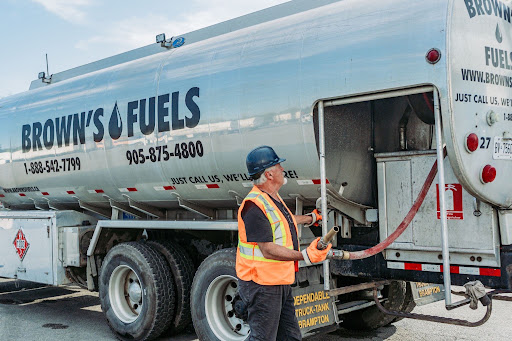
On-site fuel delivery changes that equation by bringing fuel directly to the vehicles and equipment. Brown’s Fuels provides on-site fuel delivery for businesses, including equipment operating at job sites, helping reduce interruptions and keep vehicles and machinery ready to work.
For a fleet that operates from a central facility, wheel-to-wheel refuelling can offer another option. Brown’s Fuels describes the service as mobile fuelling that allows vehicles to be refuelled at a business location or other designated site.
This can be particularly useful when the objective isn’t simply to buy fuel, but to reduce the amount of operational time spent obtaining it.
Don’t Overlook Your Fuel Storage
Fuel planning isn’t only about how much fuel you purchase. Storage capacity also matters.
If your business expects higher consumption during the fall, determine whether your existing storage capacity can support that demand without creating unnecessary delivery pressure.
This is also a good opportunity to review the condition of your fuel storage equipment and confirm that inspections and maintenance are being handled appropriately. Brown’s Fuels provides commercial fuel storage tank services, including installation, maintenance, and inspections, as part of its commercial fuel solutions.
If you’re considering increasing storage capacity, it’s important to work with qualified professionals and ensure the installation complies with applicable requirements.
Think Beyond Diesel
While diesel is a major consideration for many commercial fleets and equipment operators, it isn’t the only fuel that businesses may depend on.
Propane is used across Ontario commercial and agricultural operations for applications including forklifts, temporary heating, irrigation, grain drying, and stock tank heating. Brown’s Fuels provides commercial propane delivery and bulk propane solutions, with delivery schedules tailored to operational needs.
If your business uses multiple fuel types, fall planning is a good opportunity to look at them together rather than managing each supply separately.
The goal is a fuel strategy that reflects how your operation actually works.
Plan for the Days When Things Don’t Go According to Plan
Even the best fuel plan can’t eliminate unexpected circumstances.
Equipment can consume more fuel than anticipated. A project can run longer than scheduled. A delivery may need to be moved. An unexpected event can suddenly increase demand.
That’s why it is worth knowing what options are available if your normal supply isn’t enough.
Brown’s Fuels offers emergency refuelling services, with fuel delivered directly to locations when businesses require urgent support. Its emergency service covers fuel, including diesel and propane for vehicles, machinery and generators.
Having an established fuel supplier and a clear contingency plan can make an unexpected shortage considerably easier to manage.
A Fall Fuel Review Doesn’t Have to Be Complicated
You don’t need to completely redesign your fuel management strategy every September. Instead, use the end of summer as a checkpoint.
Look at your recent consumption, consider upcoming projects and seasonal changes, review your delivery schedule, check your storage arrangements, and determine whether your current refuelling process is taking more time than it should.
If your operation has changed, your fuel strategy may need to change with it.
For some businesses, that could mean increasing delivery frequency. For others, bulk fuel may make more sense. A fleet operating from a central location might benefit from wheel-to-wheel refuelling, while equipment spread across active job sites may be better suited to on-site delivery.
The important thing is to match the fuel solution to the way your business actually operates.
Frequently Asked Questions About Fall Fuel Planning
Why should businesses review their fuel supply before fall?
Fall can bring changes in fleet activity, construction schedules, agricultural operations and equipment usage. Reviewing fuel consumption and delivery arrangements before those changes occur can help businesses avoid unnecessary downtime and respond to increased demand.
How can businesses reduce the time employees spend refuelling?
On-site and wheel-to-wheel fuelling can bring fuel directly to vehicles or equipment rather than requiring employees to make separate trips to a fuel station. Brown’s Fuels offers both services for commercial operations.
Is bulk fuel delivery suitable for every business?
Not necessarily. Bulk delivery tends to make the most sense for businesses with sufficient consumption and appropriate storage capacity. A fuel supplier can help determine whether bulk delivery fits an operation’s needs.
What should a fleet manager review before fall?
Start with recent fuel consumption, expected vehicle and equipment usage, delivery frequency, storage capacity, and contingency plans for unexpected fuel demand. The goal is to ensure fuel availability supports the operation rather than becoming a source of downtime.
Keep Your Business Moving Into Fall
For Ontario fleet and equipment operators, fuel planning is ultimately about more than keeping tanks full.
It’s about making sure fuel is available where and when your business needs it, without unnecessarily taking vehicles off the road or equipment away from the job.
A little planning at the end of summer can reveal opportunities to streamline delivery, reduce refuelling downtime and prepare for changes in seasonal demand.
And when your fuel strategy needs to change, having a supplier that can provide bulk delivery, on-site refuelling, wheel-to-wheel fuelling, propane delivery, and emergency support gives your business more flexibility.
Fuel Your Fall Operations With Brown’s Fuels
Brown’s Fuels provides commercial fuel solutions throughout Southern Ontario, including bulk fuel delivery, on-site fuel delivery, wheel-to-wheel fleet refuelling, propane delivery, fuel storage tanks and emergency refuelling. Its services are designed to support businesses in construction, transportation, agriculture, manufacturing, and other fuel-dependent industries.
Planning for a busier fall? Contact Brown’s Fuels to discuss your fleet’s or equipment’s fuel requirements and find a delivery solution that fits the way your business operates.